The Buzz About Urban Beekeeping
Did you ever think that the buzzing of bees could be a melody to your ears? Urban beekeeping has taken off in cities across the globe, from the rooftops of New York City to the balconies of Paris. In 2026, it’s more than just a hobby; it’s a sustainable health movement.
Why Bees? The Underrated Health Heroes
Bees are more than honey producers. They are vital for pollinating plants, which means a direct impact on the food we eat. A healthy bee population supports a diverse and nutritious diet, pivotal for overall wellness. Plus, honey harvested at home is raw and unprocessed, retaining beneficial enzymes and antioxidants that are often lost in commercial processing.
- Pollination Power: An estimated 75% of the world’s food crops depend on pollinators like bees. That’s your fruits, nuts, and vegetables!
- Raw Honey Benefits: Raw honey is a natural antibacterial, helps soothe sore throats, and can even be used as a topical treatment for wounds and burns.
Setting Up Your Urban Hive: A Step-by-Step Guide
Getting started with urban beekeeping is easier than you might think. You don’t need a sprawling garden; a small balcony will do. Here’s how to get started:
- Check Local Regulations: First, ensure beekeeping is allowed in your area. Some cities require permits or have specific guidelines.
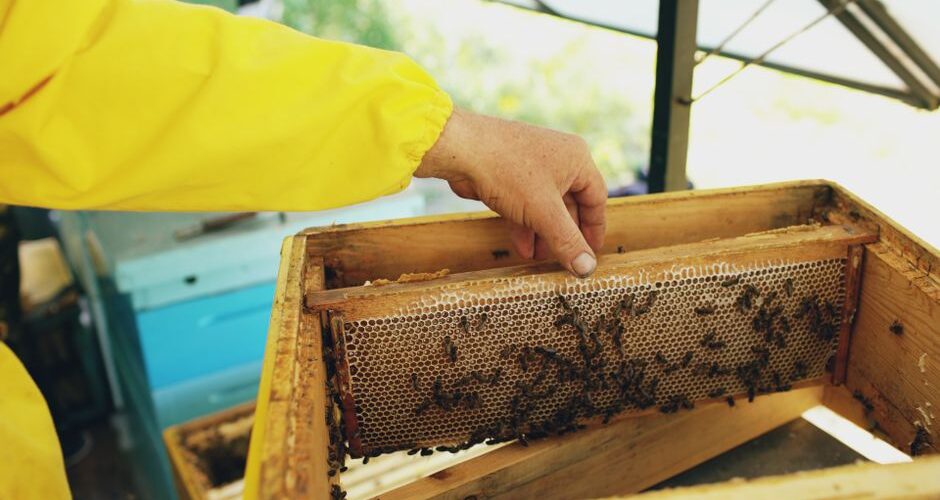
- Select the Right Hive: The most popular choice for urban beekeepers is the Langstroth hive. It’s user-friendly and widely available.
- Get Your Bees: Purchase your first colony from a reputable local beekeeper or supplier. A nucleus (nuc) or a package of bees is a great start.
- Provide a Water Source: Bees need water! A shallow dish with rocks or pebbles allows them to drink without drowning.
- Monitor and Maintain: Regularly check your hive for pests and diseases. A healthy hive is a productive hive.
The Sweet Rewards: Health and Community Benefits
Besides the health benefits of consuming raw honey, urban beekeeping fosters community and environmental awareness. Sharing honey and beeswax with neighbors can create bonds, and local schools often enjoy tours that educate children about biodiversity and sustainability.
Moreover, beekeeping can be a meditative practice. The routine of caring for bees promotes mindfulness and reduces stress. There’s something about the gentle hum of bees that encourages calmness and reflection.
Challenges and Solutions
Urban beekeeping isn’t without its hurdles. Pollution, limited foraging areas, and neighbor concerns can be problematic. However, solutions are within reach. Planting bee-friendly flowers and herbs on your rooftop or balcony can provide nectar and pollen sources.
Engage with your community by hosting informational sessions or workshops about the benefits of bees. Address fears by educating others about the non-aggressive nature of honeybees compared to wasps.
Your Buzzing Takeaway
Urban beekeeping in 2026 isn’t just for the eco-conscious or health enthusiasts. It’s a practical, rewarding activity that brings health benefits, fosters community, and aids the environment. Even in the concrete jungles, nurturing bees can transform your urban lifestyle into a sweet journey of health and sustainability.