The Resonance of Wellness: Why Sound Matters
In 2026, the wellness world is buzzing with a harmonious new trend: sound healing. From ancient chants echoing in sacred temples to the modern hum of digital sound baths, the therapeutic power of sound is making waves across the globe. But why is this ancient practice gaining traction now? According to the Global Wellness Institute, the sound healing sector is projected to grow by 18% annually, reaching an estimated worth of $4 billion by 2027.
Sound therapy taps into both scientific and traditional healing, utilizing frequencies and vibrations to promote relaxation and well-being. It’s not just about listening to music; it’s about embracing a holistic approach to health that resonates deeply with our body’s natural rhythms.
Understanding the Science Behind Sound Healing
The science of sound healing is fascinating. At its core, it’s all about vibrations. Our bodies are made up of approximately 70% water, and sound waves travel through this medium to create changes at a cellular level. Dr. Mitchell Gaynor, an oncologist and pioneer in sound healing, demonstrated how sound could reduce stress and pain, enhance immune function, and improve overall mental clarity.
In clinical studies, sound therapy has been shown to lower blood pressure, reduce anxiety, and increase oxygen levels in cells. One study conducted at McGill University found that listening to music can increase dopamine levels by up to 9%, a neurotransmitter associated with pleasure and reward.
Exploring Different Types of Sound Healing Practices
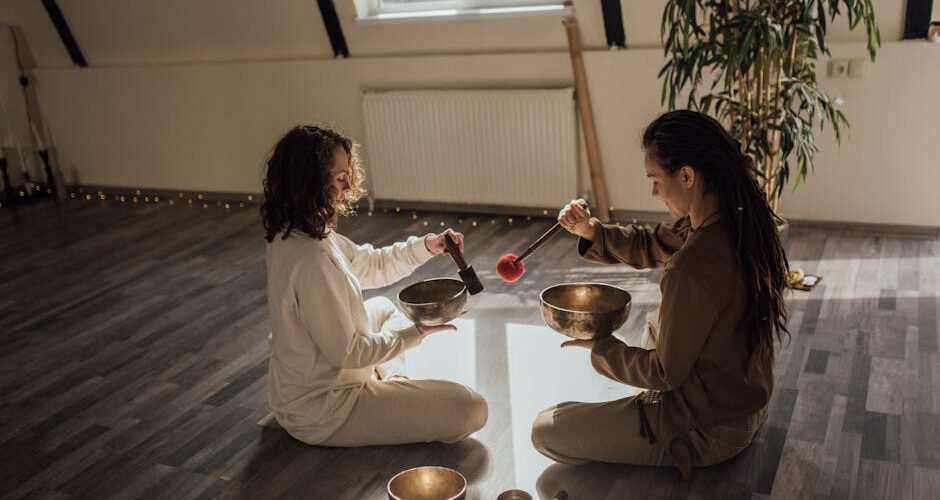
- Sound Baths: Imagine lying in a tranquil space as gongs, singing bowls, and chimes envelop you in a sonic embrace. Sound baths are often held in studios or wellness centers, but more people are hosting them in their homes to create personal sanctuaries of sound.
- Tuning Fork Therapy: This practice uses calibrated metal forks to produce specific vibrations that promote energy flow and balance in the body. Tuning fork therapy is particularly effective for relieving muscle pain and tension.
- Vibrational Therapy: By using devices that emit low-frequency sound waves, therapists can target specific areas of the body for healing. This method is often used for pain management and rehabilitation in medical settings.
How to Incorporate Sound Healing into Your Daily Routine
You don’t need to attend a formal sound healing session to reap the benefits. Here are some practical ways to incorporate sound into your daily life:
- Morning Rituals: Start your day with a soothing playlist of nature sounds or binaural beats to set a peaceful tone.
- Mindful Meditation: Use guided meditations with soundscapes to enhance your mindfulness practice and deepen relaxation.
- Wind Down with Music: Create an evening routine that involves listening to calming music or sound baths to prepare your body for restful sleep.
Real-World Success Stories of Sound Healing
Sound healing is not just theoretical; it’s transforming lives. Take the case of Susan, a New York-based corporate executive who struggled with chronic stress and insomnia. After attending weekly sound bath sessions at a local wellness center, she reported significant improvements in her sleep quality and stress levels.
Across the Atlantic, in Dublin, a group of healthcare professionals launched a pilot program integrating sound therapy into patient recovery plans at a local hospital. The results were astonishing: patients experienced quicker recoveries and expressed greater overall satisfaction with their care.
The Future of Sound Healing: What’s Next?
As we move further into 2026, the potential for sound healing continues to expand. With advancements in technology, personalized sound therapy apps are emerging, allowing users to tailor soundscapes to their specific health needs. Meanwhile, universities across the world are increasingly offering courses in sound therapy, blending scientific research with traditional practices.
The beauty of sound healing lies in its accessibility and versatility. As more people discover its benefits, we’re likely to see sonic wellness become a staple in holistic health practices worldwide.
Practical Takeaway: Whether you’re new to sound healing or a seasoned participant, the key is to explore and find what resonates with you. Sound is a powerful, natural tool for enhancing well-being, and adopting it into your wellness routine could unlock new levels of peace and vitality.