The Rise of Sonic Healing
Sonic healing is making waves in the wellness world as an innovative way to improve mental and physical health. While sound therapy is nothing new, with roots tracing back to ancient civilizations, its resurgence in 2026 is fueled by a blend of traditional practices and modern technology. Imagine lying in a cozy room as soothing vibrations wash over you, purportedly realigning your internal frequencies. This isn’t just about relaxation; proponents argue that sound therapy can alleviate stress, pain, and even enhance cognitive function.
How Does Sound Therapy Work?
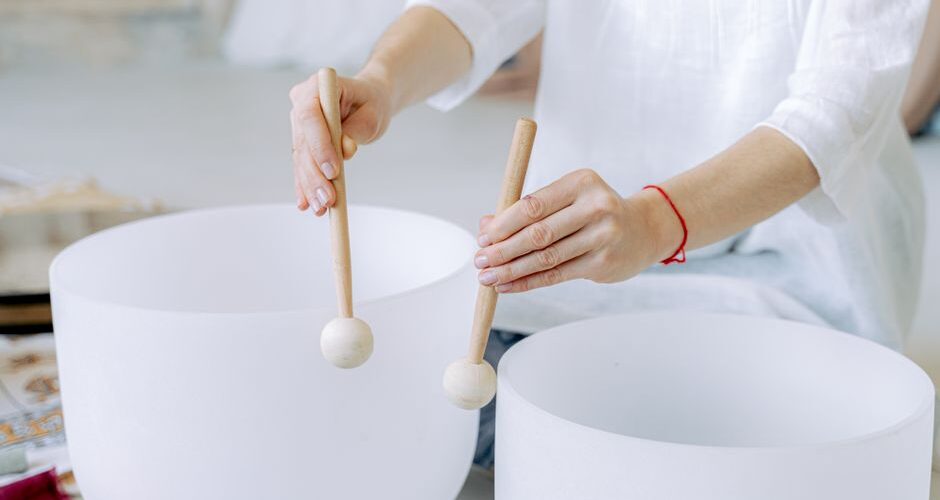
The science of sound therapy revolves around the principle of resonance. Every cell in our body vibrates at a particular frequency, and when these frequencies fall out of sync, it can lead to illness or emotional imbalance. Sonic healing uses specific frequencies to ‘tune’ the body, much like musical instruments. Practitioners employ tools such as Tibetan singing bowls, tuning forks, and even digital soundscapes to help restore harmony.
Exploring Different Modalities
There’s a rich spectrum of sonic healing modalities to explore in 2026. Gong baths have become a popular group activity, where participants lie in a room filled with the deep, resonating sounds of gongs. Tuning fork therapy is more individualized, with practitioners applying calibrated forks to specific points on the body to address physical ailments. Meanwhile, binaural beats offer a modern twist, using headphone-delivered sound frequencies to influence brainwave patterns, potentially enhancing meditation or focus.
The Benefits of Sonic Healing
Research into sonic healing suggests a host of benefits. For instance, a study by the University of California found that participants exposed to sound therapy reported a 60% reduction in stress levels. Sound has a unique ability to tap into our parasympathetic nervous system, fostering a state of deep relaxation. It’s also been linked to improved sleep quality, with lower frequencies promoting delta wave production in the brain, which is associated with deep sleep.
- Pain Management: Sound therapy is increasingly used in pain management, with some practitioners using it as part of holistic approaches to conditions such as fibromyalgia or chronic back pain.
- Enhanced Creativity: Artists and writers are finding inspiration in soundscapes, using them to unlock new levels of creativity and overcome blocks.
- Mental Clarity: Regular sessions are reported to improve concentration and clarity, making it a favorite among professionals and students alike.
How to Incorporate Sonic Healing Into Your Life
For those looking to integrate sound therapy into their wellness routine, there are plenty of options. Many wellness centers now offer sonic healing sessions, often supplementing yoga or meditation classes. If you prefer a DIY approach, consider investing in a set of tuning forks or a singing bowl. Online platforms also offer curated soundscapes, allowing you to experience the benefits of sound therapy from the comfort of your home.
Whether you’re attending a local session or experimenting with sound at home, the key is consistency. Regular exposure can help deepen the benefits, making sound therapy a powerful addition to your health toolkit.
The Future of Sonic Healing
As technology advances, the future of sonic healing looks promising. Developers are exploring apps that tailor sound frequencies to individual needs using AI, providing personalized sound therapy on demand. This blend of ancient wisdom and modern innovation makes sonic healing an exciting frontier in the pursuit of holistic health.
Practical Takeaway: Consider adding sonic healing to your wellness practice. Start with small steps like attending a local sound bath or exploring online soundscapes. Notice the shifts in your stress levels, sleep quality, and mental clarity. Embrace the power of sound, and let it guide you towards enhanced well-being.