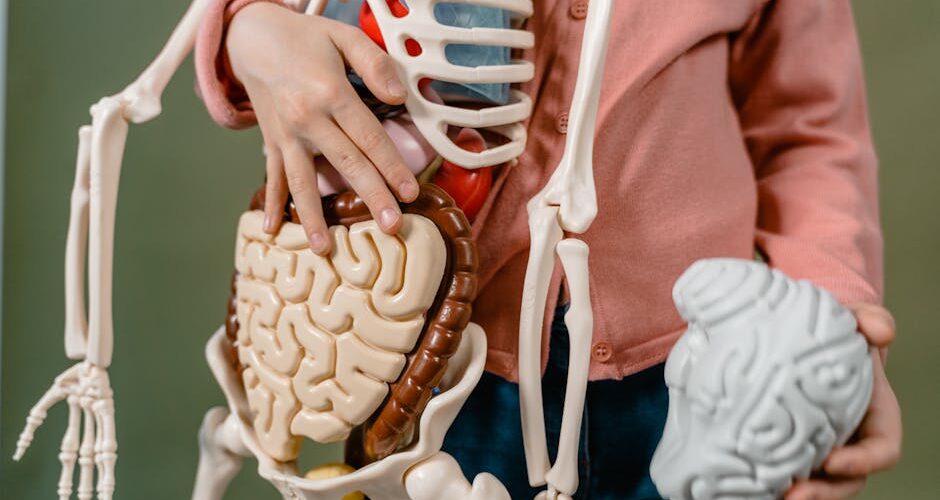
Understanding the Gut-Brain Axis
The connection between our gut and brain is more than just a fun fact; it’s a vital aspect of our overall well-being. The gut-brain axis is a complex communication network that links our emotional and cognitive centers with our intestinal functions. In 2026, the understanding of this relationship has reached new heights, revealing how crucial it is to maintain this connection for mental health.
Researchers have found that the gut microbiome, the community of bacteria and microorganisms living in our intestines, plays a significant role in producing neurotransmitters like serotonin and dopamine, which are essential for mood regulation. In fact, approximately 95% of the body’s serotonin is produced in the gut. This means that our gut health directly influences our mental state and overall happiness.
The Impact of Diet on Mental Health
One of the most effective ways to nurture the gut-brain connection is through diet. A study conducted in 2025 showed that individuals who followed a Mediterranean diet rich in fruits, vegetables, whole grains, fish, and olive oil experienced a 30% reduction in depression symptoms compared to those who consumed a typical Western diet.
Incorporating fermented foods like yogurt, sauerkraut, and kimchi can boost the presence of beneficial bacteria in the gut, enhancing its ability to communicate effectively with the brain. Furthermore, foods high in omega-3 fatty acids, such as salmon and walnuts, have been shown to support brain health and cognitive function.
Stress Management and the Gut-Brain Connection
Stress is a formidable disruptor of the gut-brain axis. Chronic stress can lead to a state of dysbiosis, an imbalance between good and bad bacteria in the gut. This imbalance can exacerbate issues like anxiety and depression.
Incorporating stress-reduction techniques such as mindfulness meditation, yoga, or tai chi can help maintain a balanced microbiome. A 2026 survey revealed that individuals practicing mindfulness reported a 25% increase in their feelings of well-being, which correlated with better gut health as confirmed by microbiome testing.
Probiotics and Mental Health
Probiotics, live bacteria that are beneficial for our health, have emerged as a promising tool for enhancing the gut-brain connection. Recent trials have highlighted the potential of certain probiotic strains to reduce symptoms of depression and anxiety.
In 2026, a groundbreaking study discovered that a multi-strain probiotic supplement improved mood and reduced stress levels by 40% in participants after just eight weeks. These findings underscore the importance of integrating probiotics into our daily routine, either through supplements or by consuming probiotic-rich foods.
Exercise: A Double-Edged Sword
Exercise is often touted as a panacea for both physical and mental health, and its influence on the gut-brain axis is no exception. Regular physical activity has been shown to improve the diversity of gut bacteria, which in turn benefits mental health.
A 2026 meta-analysis highlighted that individuals engaging in at least 150 minutes of moderate exercise per week showed a 35% reduction in anxiety levels. Activities like cycling, swimming, and even brisk walking can positively affect the gut microbiome and thereby improve mood and cognitive functions.
Practical Takeaway: How to Enhance Your Gut-Brain Connection
- Prioritize a Balanced Diet: Focus on whole foods and include a variety of fruits, vegetables, and fermented products.
- Manage Stress Effectively: Incorporate relaxation techniques into your daily routine.
- Include Probiotics: Consider probiotic supplements or foods to support gut health.
- Stay Active: Aim for regular exercise to maintain a healthy gut microbiome.
- Stay Informed: Keep up with the latest research to understand the best practices for maintaining a healthy gut-brain axis.
By understanding and nurturing the gut-brain connection, we can unlock a more balanced, joyful, and mentally healthy life in 2026.