The Slow Food Movement: A Refreshing Return to Basics
In recent years, an overwhelming shift has been noticed in how we approach food. The fast-paced life of the 2020s made many of us embrace convenience over quality in our meals. However, as we step into 2026, a resurgence of the Slow Food movement is taking place. Born in Italy in the late 1980s, Slow Food encourages us to savor our meals, appreciate culinary traditions, and endorse local produce. This movement is not just a trend—it’s a lifestyle change that can significantly enhance our well-being.
Why Slow Food Matters: Health and Beyond
The benefits of adopting a Slow Food lifestyle extend far beyond the obvious. When we choose to eat mindfully, we’re not only taking control of our nutritional intake but also supporting sustainable agricultural practices. By prioritizing local and seasonal ingredients, we reduce our carbon footprint and foster a healthier planet.
Slow food is inherently healthier. Meals prepared with fresh, whole ingredients are typically lower in preservatives and unhealthy fats. A 2023 study published by the University of California highlighted that communities practicing Slow Food principles reported a 20% decrease in lifestyle-related illnesses, such as obesity and diabetes.
How to Start Your Slow Food Journey
Introducing the Slow Food philosophy into your life doesn’t have to be overwhelming. Here are some practical steps to help you begin this enriching journey:
- Embrace Local Markets: Make it a habit to visit your local farmer’s markets. Not only will you find fresh, seasonal produce, but you’ll also be supporting local farmers. Markets in cities like San Francisco and Portland offer a vibrant selection of fresh produce, meats, and dairy, making it easy to start.
- Cook from Scratch: Dedicate time to prepare your meals from scratch. This doesn’t mean you need to spend hours in the kitchen. Simple, wholesome recipes can be quick and easy while still allowing you to enjoy the process of creating a meal.
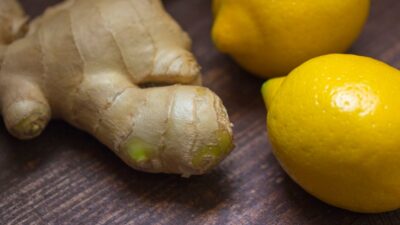
- Eat Seasonally: Eating what’s in season not only ensures freshness but also allows you to enjoy food at its peak flavor. Seasonal produce is often more affordable and nutrient-rich. In winter, root vegetables and citrus fruits are your best bet, while summer calls for berries and tomatoes.
- Mindful Eating: Take time to enjoy your meals without distractions. Eating slowly and savoring each bite can improve digestion and enhance your overall eating experience.
Community and Connection through Slow Food
Slow Food is about more than just the food on your plate. It’s about fostering a sense of community and connection. Community gardens are sprouting up in cities worldwide, offering communal spaces to grow and share food. Joining these communities, such as those in New York’s urban landscapes, can provide educational and social opportunities, bringing people together through the shared love of food.
Additionally, Slow Food events and tasting workshops have gained popularity. These gatherings celebrate culinary traditions and promote heritage foods, allowing participants to experience diverse flavors and techniques from cultures around the globe.
Practical Takeaway: Make Slow Food Part of Everyday Life
Incorporating Slow Food principles into daily life is simpler than it might seem. Start small—perhaps with one Slow Food meal a week—and gradually increase your commitment. By prioritizing local produce, cherishing culinary traditions, and eating mindfully, you can transform your relationship with food. This change not only enhances personal health but also supports broader sustainability efforts. Rediscover the joy of eating with intention and let the Slow Food movement guide you toward a more balanced and fulfilling lifestyle.