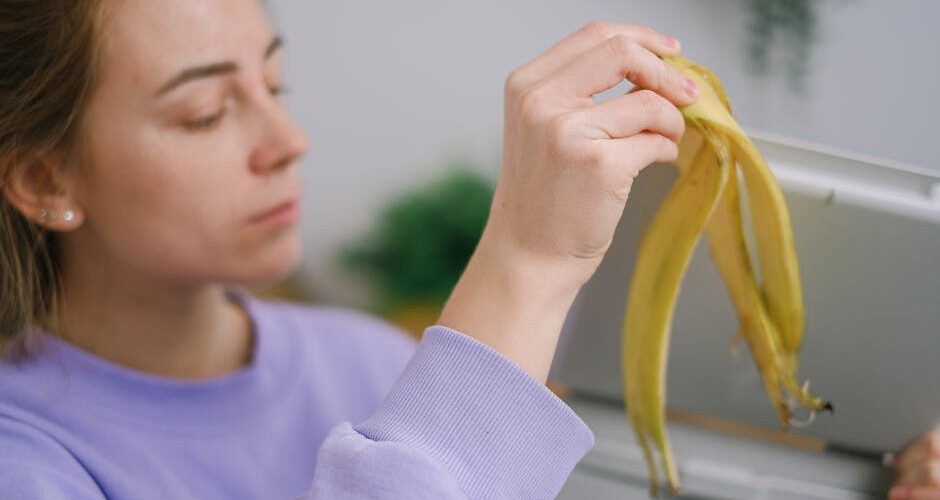
Understanding the Zero-Waste Lifestyle
Zero-waste living is more than a trend—it’s a commitment to reducing waste in every aspect of life. In 2026, with cities like San Francisco and Amsterdam leading the way, the movement is gaining traction globally. Transitioning to a zero-waste lifestyle isn’t just about the environment; it’s about improving your health and well-being. By cutting down on waste, you also reduce exposure to harmful chemicals and pollutants that can affect your health.
The Benefits for Your Health
Adopting a zero-waste lifestyle can have a multitude of health benefits. For starters, it encourages the consumption of fresh, whole foods over processed products. By choosing unpackaged, natural foods from local farmer’s markets, you avoid preservatives and additives that are often found in packaged goods. This change can lead to improvements in digestion, energy levels, and even mental clarity.
Moreover, a zero-waste home often means reducing the use of plastic products, which are linked to endocrine-disrupting chemicals like BPA. By eliminating these plastics, you minimize the risk of hormonal imbalances and other health issues associated with chemical exposure. Studies have shown that cities with strong zero-waste practices often see a decrease in community health issues, showcasing the direct impact on public health.
Steps to Start Your Zero-Waste Journey
Transitioning to zero-waste living starts with small steps. Begin by conducting a waste audit. Analyze your garbage to identify the most common items you dispose of. This insight will guide you on which areas to focus on first.
- Refuse: Say no to items that you don’t need, especially single-use plastics like straws and shopping bags.
- Reduce: Cut down on unnecessary purchases. Embrace minimalism and prioritize quality over quantity.
- Reuse: Invest in reusable items such as water bottles, coffee cups, and shopping bags.
- Recycle: Properly sort materials that can be recycled. Know what your local recycling facility accepts.
- Rot: Compost organic waste. Composting not only reduces landfill waste but also enriches soil, promoting healthier local produce.
Challenges You Might Face
Every lifestyle change comes with its challenges. Common barriers include convenience, cost, and accessibility. Many individuals find it difficult to avoid plastic packaging or find it time-consuming to make some of their own products. It’s important to remember that zero-waste is a journey, not an overnight change. Start small by focusing on areas that are easiest for you to change, like using reusable bags or choosing products with minimal packaging.
Cost can be another concern. Initially, some reusable products appear more expensive. However, they often save money in the long run. For instance, a stainless steel water bottle might cost more upfront but will last for years compared to disposable plastic bottles.
Local Resources and Community Support
Getting involved in local zero-waste communities can provide inspiration and support. Many cities across the world offer community workshops, swap meets, and online forums where individuals share tips and resources. For example, New York City has numerous zero-waste stores like Package Free and Zero Waste Daniel, which offer workshops and community events to help you along your journey.
Engaging with community initiatives not only boosts your commitment but also spreads awareness, contributing to a healthier planet. The shift towards zero-waste living is a collective effort, and every small action helps.
Practical Takeaway: Making Zero-Waste Work for You
Adopting a zero-waste lifestyle is an empowering choice for better health and environmental sustainability. By making mindful decisions about consumption and waste, you positively impact your health and contribute to the planet’s well-being. Start with manageable changes, and gradually incorporate more aspects of zero-waste living into your routine. Engage with community resources, embrace challenges as learning experiences, and remember that every step, no matter how small, leads to a healthier life and planet.