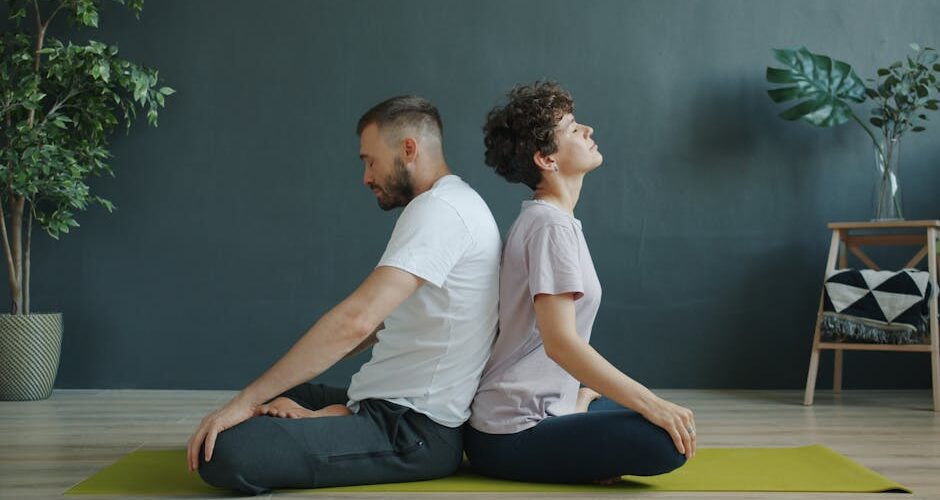
A Complete Guide to Mindfulness Meditation for Beginners
Welcome to the gentle art of mindfulness meditation. Often seen as a path to inner peace, this ancient practice has taken many forms across different cultures and eras. Today, mindfulness meditation offers a way to cultivate awareness and presence in our fast-paced lives. Whether you’re curious about meditation or seeking a way to manage stress, this guide will walk you through the essentials of starting your own practice.
Understanding Mindfulness Meditation
Mindfulness meditation is rooted in the idea of being fully present and aware of the moment. It requires us to tune into our senses and experiences without judgment. This practice can help reduce stress, improve focus, and increase self-awareness. According to a 2024 study by Harvard University, participants who practiced mindfulness meditation for eight weeks showed a 30% decrease in stress levels and a significant improvement in emotional regulation.
Setting Up Your Meditation Space
Creating a dedicated space for meditation can enhance your practice. You don’t need much—just a quiet corner where you feel comfortable and undisturbed. Decorate with calming elements like a soft cushion, a scented candle, or a small plant. The goal is to make this space inviting and serene, allowing you to step away from daily distractions, even if just for a few moments.
Beginning Your Practice: Basic Techniques
Starting with simple techniques can ease you into mindfulness meditation. Here are a few beginner-friendly approaches:
- Breath Awareness: Focus on your breath as you inhale and exhale. Notice the rise and fall of your chest, the sensation of air entering and leaving your nostrils. This is often the foundational practice of many meditation disciplines.
- Body Scan: Progressively focus on different parts of your body, starting from your toes and moving upwards. Observe any sensations, tension, or relaxation without trying to change them.
- Counting Breaths: Count each breath, aiming to reach ten without letting your mind wander. If you lose count, gently bring your focus back and start again.
Overcoming Common Challenges
Like any new skill, meditation presents its own set of challenges. Many beginners struggle with a wandering mind. Remember, it’s normal. Instead of fighting it, gently acknowledge the thoughts and guide your focus back to your breath or point of focus. Consistency is key. Aim for a daily practice, even if it’s just five or ten minutes. By 2025, a survey by the American Psychological Association found that 65% of new meditators reported noticeable improvements in their attention span after just a month of consistent practice.
Integrating Mindfulness in Daily Life
You can extend mindfulness beyond formal meditation sessions. Try mindful eating by savoring each bite and appreciating different flavors and textures. During your commute, practice mindful listening by tuning into sounds around you without judgment. Over time, these practices can help you stay grounded and present in various aspects of your life.
Resources and Communities to Explore
Meditation is an evolving journey, and there are many resources to support you along the way. Apps like Headspace and Calm offer guided meditations that cater to various needs. Additionally, joining a local meditation group can provide a sense of community and motivation. Cities like San Francisco and New York have numerous meditation centers offering classes for beginners. Engaging with others can enhance your understanding and commitment to the practice.
Practical Takeaway
Starting a mindfulness meditation practice doesn’t require perfection. It’s about being present and compassionate towards yourself. As you explore this practice, remember that every moment of mindfulness is a step toward greater peace and clarity. Embrace the journey with patience and openness, and let mindfulness gently weave itself into the fabric of your daily life.