Introduction to Solitude
In 2026, the concept of solitude has evolved from being just a necessity for some into an art form embraced by many. Solitude isn’t about being alone; it’s about creating a space where you can recharge, reflect, and reconnect with your inner self. Whether you live in a bustling city like New York or a quieter suburb in the Midwest, crafting a personal retreat space has become a vital part of self-care and wellness.
This guide will walk you through designing a serene corner of your home, providing practical tips and insights into the beauty of solitude.
The Psychological Benefits of Solitude
Solitude offers more than a respite from the noise of daily life. Psychological studies in 2026 reveal that regularly spending time alone can significantly reduce anxiety and enhance creativity. For instance, researchers at Stanford University found that people who embraced solitude tended to have higher levels of empathy and better problem-solving skills.
By intentionally carving out time for yourself, you’re not just escaping from the world; you’re fostering mental clarity and nurturing emotional resilience.
Creating Your Retreat: Essential Elements
- Choose the Right Spot: Look for a space where you can minimize distractions. This could be a corner in your bedroom, a nook in your living room, or even a section of your garden. The key is to find a place that feels secluded and calming.
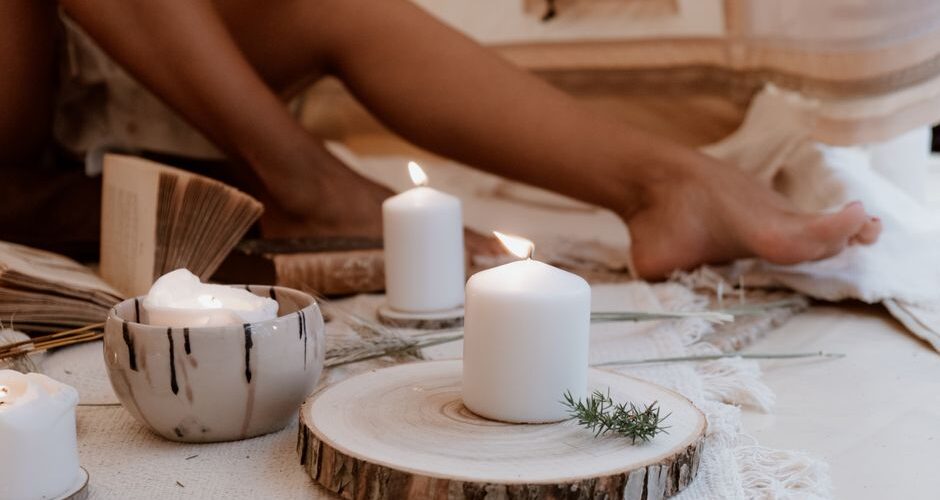
- Lighting Matters: Natural light is optimal, but if that’s not possible, consider using soft lighting to create a warm, inviting atmosphere. Think fairy lights, candles, or Himalayan salt lamps.
- Comfortable Seating: Invest in a comfortable chair or floor cushion. Your retreat should invite you to relax and unwind, so comfort is paramount.
- Personal Touches: Add elements that inspire and soothe you. This might include plants, artwork, or objects that hold personal meaning.
Incorporating Mindfulness Practices
Your solitude space should serve as more than just a place to sit. Incorporate mindfulness practices to deepen your connection with yourself. Guided meditation apps are a great starting point. Consider using Calm or Headspace, which have been updated in 2026 to include specific modules for solitude practice.
Journaling is another powerful tool. By reflecting on your thoughts and feelings, you can gain insight into your own mind’s workings. This year, the popularity of bullet journaling has soared, with many people finding it a creative outlet that complements their solitude practice.
Digital Detox in Your Retreat
While technology has its benefits, your personal retreat is the perfect place to indulge in a digital detox. Leave your devices outside this sanctuary. Instead, focus on tactile activities like reading a physical book, sketching, or practicing a musical instrument.
Consider using this time to reconnect with the tangible world. Write letters, cook a meal without distractions, or simply let your mind wander without the constant pull of digital notifications.
The Communal Aspects of Solitude
Interestingly, the practice of solitude can enhance your social interactions. By spending time alone, you restore your energy and can engage more meaningfully with others. Just as you benefit from your solitude, encourage those around you to create their own spaces. Sharing your experiences can foster a deeper understanding and appreciation of each other’s needs for personal time.
Communities worldwide, such as those in Kyoto, Japan, have embraced these practices culturally. They recognize solitude as a vital component of holistic wellness, offering collective retreats where individuals can explore solitude in a community setting.
Practical Takeaway
Creating a personal retreat space isn’t about isolation; it’s about intentional self-connection. As you embark on this journey, remember that your space should evolve with you. What serves your solitude today might change tomorrow, and that’s okay. The goal is to establish a dynamic sanctuary that fosters growth, peace, and self-awareness.
So, take the time to design your haven, embrace the beauty of being alone, and watch as it transforms your approach to wellness and life.