Why Gut Health is Crucial for Overall Well-being
The importance of gut health has leaped into the spotlight over the past few years, with mounting research underscoring its significant impact on overall health. Your gut isn’t just a digestive machine; it’s a bustling community of microorganisms that play a vital role in everything from mental health to immunity. Understanding the intricate relationship between gut health and wellness can transform how you approach self-care.
The Gut: More Than Just Digestion
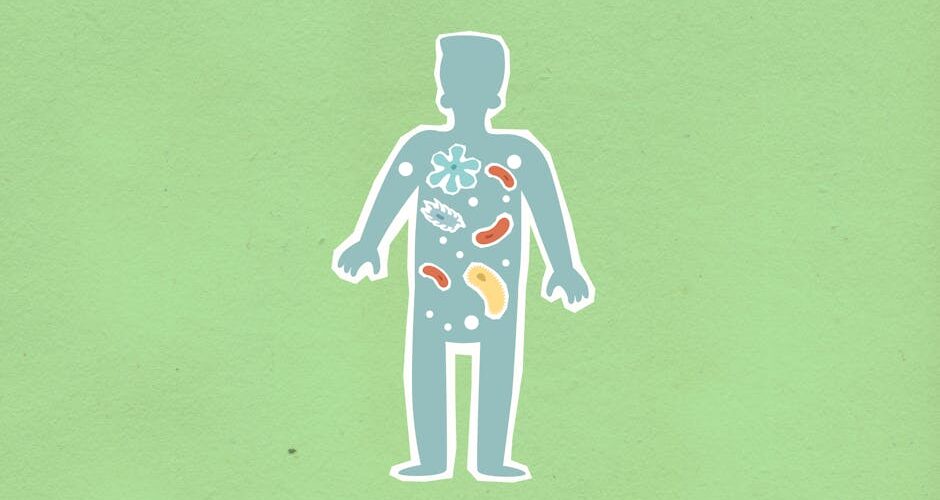
Your digestive tract is a complex ecosystem inhabited by trillions of bacteria, fungi, and viruses, collectively known as the gut microbiome. This diverse community does more than break down food. It influences the production of neurotransmitters, regulates immune function, and even affects your mood.
Research from Harvard Medical School indicates that an imbalanced gut microbiome can lead to conditions like irritable bowel syndrome, allergies, and obesity. Moreover, the gut-brain axis—a direct communication pathway between the gut and brain—reveals how gut health can affect psychological states.
The Gut-Brain Connection
Have you ever had ‘butterflies in your stomach’ when nervous? That’s your gut responding to signals from your brain. The gut-brain axis is a two-way communication system where the gut microbiota can influence brain function and vice versa.
A study conducted by the University of California, Los Angeles, showed how probiotics, beneficial bacteria found in fermented foods, can alter brain activity in emotional centers. This finding suggests that nurturing your gut health could be a natural way to manage anxiety and depression.
Immunity Starts in the Gut
Approximately 70% of your immune system resides in your gut. The microbiota acts as a frontline defense, teaching your immune system how to distinguish between friend and foe. This relationship is crucial for preventing autoimmune diseases, where the immune system mistakenly attacks the body’s own cells.
A healthy gut microbiome can enhance the efficiency of your immune response, making you less susceptible to infections. Locations like the Mayo Clinic are investigating how dietary interventions can boost gut health, subsequently improving immune function.
Enhancing Gut Health Through Diet
What you eat dramatically influences the composition and health of your gut microbiome. A diet rich in fiber, probiotics, and prebiotics supports a balanced gut environment. Foods like yogurt, kimchi, garlic, and onions are known to feed beneficial bacteria.
- Fiber: Fiber-rich foods such as whole grains, fruits, and vegetables serve as food for good bacteria, promoting their growth.
- Probiotics: Fermented foods like sauerkraut and kefir introduce beneficial bacteria to your gut.
- Prebiotics: Ingredients like asparagus and leeks contain compounds that nourish and fuel beneficial bacteria.
Dr. Jane Foster, a leading expert at McMaster University, cautions against high sugar and processed foods that can harm the gut microbiome, leading to the overgrowth of harmful bacteria.
Practical Steps to Gut Health
Achieving a healthy gut doesn’t require drastic life changes. Small, consistent efforts can pave the way to a robust gut microbiome. Start by incorporating more plant-based foods into your meals. Gradually reduce the intake of processed foods and artificial sweeteners known to disrupt gut flora.
Regular exercise and staying hydrated also support a healthy digestive system. Remember, every person’s microbiome is unique, so pay attention to how your body responds and adjust your habits accordingly.
Understanding the profound impact of gut health on overall well-being offers a powerful incentive to prioritize it. By taking care of your gut, you’re not just aiding digestion but also enhancing your mental clarity, emotional resilience, and immune strength.
Practical Takeaway: To foster a thriving gut microbiome, diversify your diet with fiber-rich foods, probiotics, and prebiotics. Embrace a balanced lifestyle that includes regular exercise and mindful eating. This holistic approach can lead to a happier, healthier you.