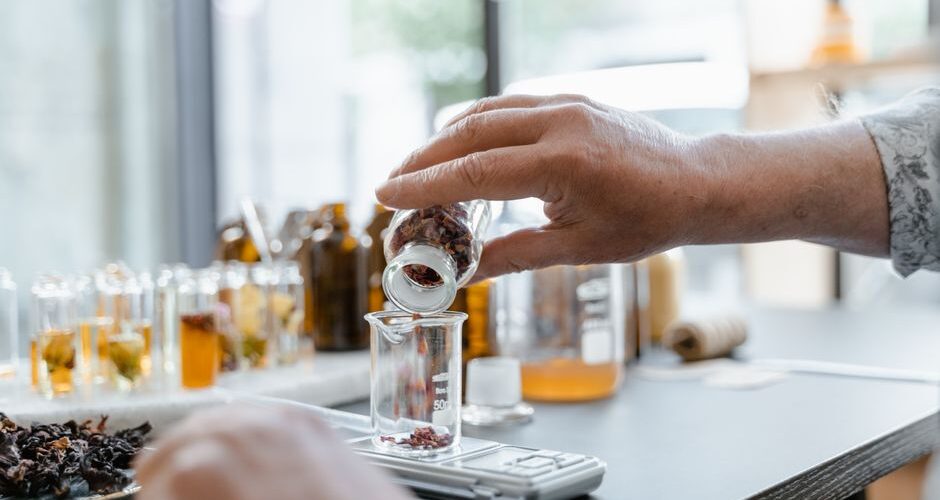
Introduction to Herbal Alchemy
In an age where personalization is key, the idea of crafting your own herbal apothecary is more relevant than ever. As we navigate into 2026, the demand for natural, personalized remedies continues to rise. But what does it really mean to create an herbal apothecary? And how can you start this journey towards holistic health?
Herbal alchemy is the ancient practice of combining plants to harness their healing properties. This is more than just blending ingredients; it’s about understanding the symbiotic relationships between different herbs and how they can support your unique health needs.
Understanding the Basics of Herbal Medicine
Before you dive into creating your own remedies, it’s essential to understand the basics. Herbal medicine has been used for centuries across cultures, from Traditional Chinese Medicine to Ayurveda. But the modern approach to herbal alchemy involves a scientific understanding of these plants.
For instance, echinacea is celebrated for its ability to boost the immune system, while chamomile is known for its calming effects. Recent studies from the University of Washington have shown that a blend of turmeric and ginger can significantly reduce inflammation, highlighting the potential power of combining these natural ingredients.
Setting Up Your Home Apothecary
Creating your own apothecary doesn’t require a vast amount of space or resources. Start with a dedicated shelf or a cabinet in your kitchen. You’ll need some basic tools such as glass jars, a mortar and pestle, and a strainer.
- Storage: Keep your herbs in airtight containers, away from direct sunlight. This helps preserve their potency.
- Organization: Label each jar with the herb’s name and its uses. Consider adding the date you acquired it, as freshness is key.
- Tools: A high-quality mortar and pestle are essential for grinding herbs. For liquid concoctions, a dropper bottle can be very handy.
Top Herbs to Kickstart Your Apothecary
While there are hundreds of herbs you could consider, starting with a few versatile options is a wise choice. Here are some essentials:
- Lavender: Known for its relaxing properties, lavender can be used in teas, tinctures, or as an essential oil. It’s perfect for stress relief and insomnia.
- Peppermint: Excellent for digestion, peppermint can be used in teas or as an extract to soothe an upset stomach.
- Calendula: A potent anti-inflammatory, calendula is often used in skincare to heal wounds and treat rashes.
- Rosemary: This herb is not just a kitchen favorite but also a cognitive booster. It can improve memory and concentration.
Crafting Your First Herbal Remedy
Once you have your herbs and tools in place, it’s time to craft your first remedy. Let’s start with a simple herbal tea blend designed to boost your energy.
Ingredients:
- 1 part rosemary
- 1 part peppermint
- 1 part lemon balm
Instructions:
- Combine the herbs in equal parts in a jar. Mix well.
- Boil water and pour it over a teaspoon of your herbal mix.
- Let it steep for about 5 minutes, strain, and enjoy!
This invigorating blend is perfect for a midday pick-me-up and is also great for enhancing mental clarity.
Embracing the Journey of Herbal Alchemy
As you begin your journey with herbal alchemy, remember it’s not just about the physical benefits. The process of crafting and consuming your remedies can be meditative and rewarding. It’s about reconnecting with nature and listening to your body’s needs.
Experiment with different combinations, keep a journal of your findings, and most importantly, enjoy the process. With time, you’ll develop a deeper understanding of how these natural allies can support your health and well-being.
By the end of 2026, who knows? You might be the go-to herbal expert among your friends and family!