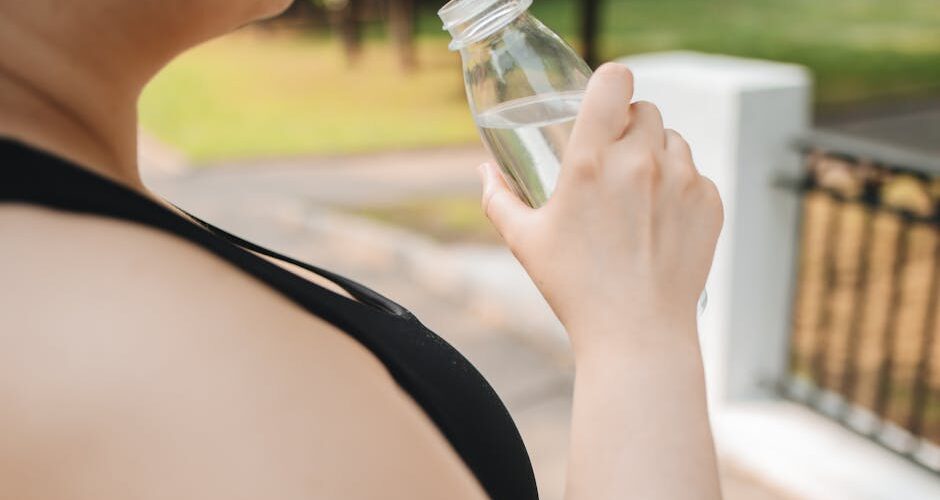
The Importance of Hydration: How Much Water Do You Really Need?
Water is often hailed as the elixir of life, and for good reason. It makes up about 60% of our body weight and plays a crucial role in nearly every bodily function. From regulating body temperature to lubricating joints and aiding digestion, water is essential for maintaining good health. But how much water do you really need to stay hydrated and healthy?
The Basic Guidelines
The age-old advice of drinking eight 8-ounce glasses of water per day, totaling 64 ounces, is a decent starting point but not a one-size-fits-all solution. The amount of water an individual needs can vary significantly based on several factors such as age, gender, activity level, and climate.
- Age and Gender: According to the National Academies of Sciences, Engineering, and Medicine, adequate daily water intake is about 3.7 liters (or 13 cups) for men and 2.7 liters (or 9 cups) for women.
- Activity Level: If you’re physically active or sweat profusely, you will need more water to compensate for the fluid loss. Athletes may require up to 10 liters a day.
- Climate: Living in a hot or humid environment can increase your water needs, as you lose more fluids through sweat.
Beyond Plain Water: Hydration Sources
While water is the most obvious source of hydration, it’s not the only one. Foods contribute about 20% of our total water intake. Fruits like watermelon and cucumbers are more than 90% water. Milk, tea, and coffee also contribute to your daily water intake, although it’s a good idea to limit caffeinated drinks as they can have a diuretic effect.
Signs of Dehydration
Recognizing the signs of dehydration is crucial for preventing it. Common symptoms include thirst, dry mouth, dark yellow urine, and fatigue. Severe dehydration can lead to more serious issues like dizziness, confusion, and rapid heartbeat. Interestingly, by the time you feel thirsty, you might already be slightly dehydrated.
Hydration Myths
Myths about hydration abound, and it’s important to separate fact from fiction. One popular myth is that caffeinated drinks dehydrate you. While caffeine has a mild diuretic effect, the water content in these beverages still contributes to your overall hydration. Another misconception is that drinking water will prevent hangovers. While staying hydrated can help mitigate some effects, it won’t completely ward off a hangover.
Hydration Tips for Different Lifestyles
Your lifestyle can greatly influence your hydration strategy. For those leading a sedentary lifestyle, carrying a reusable water bottle as a reminder to drink throughout the day can be helpful. If you’re an athlete, consider sports drinks to replenish electrolytes lost through sweat. For older adults, who may experience a decreased sense of thirst, setting reminders to drink water can ensure they stay hydrated. Parents should encourage kids to drink water regularly, especially during playtime.
Don’t forget that your hydration needs can change with circumstances. Pregnant and breastfeeding women require additional fluids, while those experiencing fever, diarrhea, or vomiting will need more water to prevent dehydration.
Practical Takeaway
Understanding your individual hydration needs is key. Listen to your body, eat water-rich foods, and adjust your intake based on your personal circumstances. While the guidelines provide a starting point, your body is your best indicator. Prioritize hydration as part of your daily routine, and your body will thank you. Carrying a water bottle, consuming a balanced diet, and staying mindful of signs of dehydration are practical steps anyone can take to stay properly hydrated.