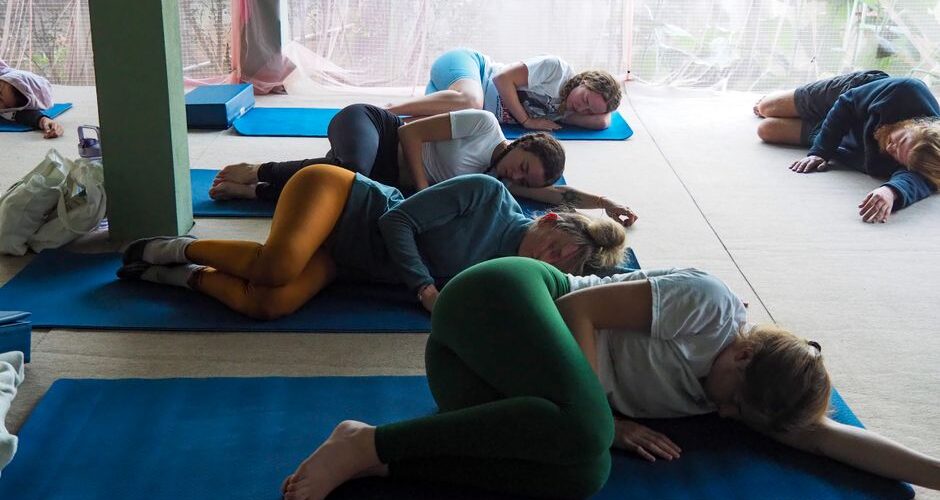
The Silent Revolution: Breathwork in Modern Wellness
In recent years, breathwork has emerged as a transformative practice that is reshaping the landscape of health and wellness. This ancient technique is gaining traction not just among yogis, but across a wide spectrum of individuals seeking to enhance their mental and physical well-being. From Silicon Valley tech enthusiasts to busy moms in suburban neighborhoods, breathwork is becoming a go-to practice for those looking to manage stress, improve focus, and boost overall health.
Understanding the Basics: What is Breathwork?
At its core, breathwork is a series of breathing exercises or techniques that manipulate the depth, rate, and rhythm of breath to influence mental, emotional, and physical states. While the concept is simple, the effects can be profound. Various styles exist, such as Holotropic Breathwork, Wim Hof Method, and Pranayama, each offering unique benefits. Whether it’s slowing down your breath to calm the mind or engaging in rapid breathing for energy, the practice is versatile and accessible to everyone.
The Science Behind the Breath
Scientific interest in breathwork has surged, with studies revealing its impact on the autonomic nervous system, particularly in reducing stress and anxiety. Researchers from the University of California, Los Angeles, have demonstrated that controlled breathing can alter brain activity, promoting a state of calmness. The practice also influences the body’s biochemistry, notably lowering cortisol levels — the body’s primary stress hormone.
Breathwork Techniques to Try in 2026
- 4-7-8 Breathing: Developed by Dr. Andrew Weil, this technique is a natural tranquilizer for the nervous system. Inhale for four seconds, hold for seven, and exhale for eight. This practice is especially useful for anxiety and insomnia.
- Box Breathing: Often used by Navy SEALs, this method enhances focus and performance under pressure. Inhale, hold, exhale, and pause for counts of four each.
- Alternate Nostril Breathing: This traditional yogic practice is known for balancing the hemispheres of the brain, fostering a sense of calm and concentration.
Incorporating Breathwork into Your Daily Routine
Establishing a breathwork practice doesn’t require significant time investment. Start with just five minutes a day. Morning sessions can energize you for the day ahead, while evening sessions can help unwind. Consider integrating breathwork into your existing routines, such as during your morning coffee or as part of your bedtime ritual.
Real-Life Transformations: Stories from the Breathwork Community
Take the story of Mark, a 35-year-old software developer from San Francisco. Struggling with anxiety and burnout, he discovered breathwork through a local workshop. After incorporating daily breath exercises, Mark reported enhanced mental clarity and reduced stress levels, eventually sharing his journey with his entire team at work, leading to a company-wide initiative to explore mindfulness practices.
Final Thoughts: The Takeaway
Breathwork offers a powerful yet simple tool for improving mental and physical health. As more people explore this practice in 2026, it promises to continue making waves in the wellness community. Start small, stay consistent, and discover the profound impact of conscious breathing on your well-being.